Does pool salt help with algae?
Regardless of pool type, once the chlorine hits the pool water, it is converted to hypochlorous acid, which is the stuff that fights the algae, bacteria, germs, and other unwanted aquatic invaders. Salt levels: 2,700-3,500, but will depend on your salt chlorine generator. Free chlorine: 1-4 PPM. pH: 7.2-7.6.
Why is my salt water pool green?
The green colour is algae, which contains the green pigment chlorphyll. The more algae in the water the greener your pool. Algae growth is normally prevented by a sanitiser, most commonly chlorine. For the most part, salt water chlorinators and bleach pump pools both add chlorine to the water at a constant rate.
How much salt does it take to kill algae?
Note: Rock salt @ 1 pound per 100 gallons can kill stringy algae and aquatic plants. Remove excess algae or aquatic plants before dosing with this level of salt. The decaying vegetation will pollute the pond and reduce oxygen levels. Be careful when adding salt to your pond.
What can I do about algae in my salt water pool?
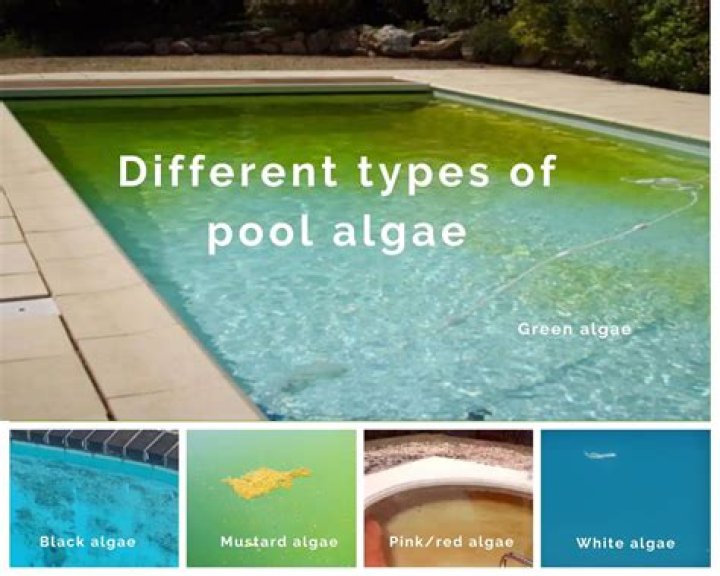
Shock or Superchlorination A shock is designed to kill bacteria and pool algae by raising chlorine levels up temporarily and if you are a salt water pool owner you may be familiar with super chlorinate if your chlorine generator has this feature. The amount of shock you need is determined by the color and type of algae you have in your pool:
How much algaecide to add to pool water?
Use the biguanide algaecide for your pool, measuring 16 ounces for every 10,000 gallons of water. 6. Shock the pool or add an Oxidizer Once again, a regular shock or oxidizer treatment will not work to remove pink slime.
Can you put chlorine in a salt water pool?
There is no huge difference between a salt water pool and swimming pool with regular chlorine. You may think it would be harmful if you add chlorine into a salt water pool. But it is not in this case. Most saltwater systems are produced with a button or switch to allow you to “super chlorinate” water in the pool.
When to add sequestering agent to plaster pool?
Although optional, it is highly recommended to pre-dilute and add a quality sequestering agent using the recommended initial start-up dosage and then the recommended maintenance dosage per the sequestering agent’s manufacturer. This is cheap insurance against metal staining. Operate filtration system continuously for a minimum of 72 hours.
Shock or Superchlorination A shock is designed to kill bacteria and pool algae by raising chlorine levels up temporarily and if you are a salt water pool owner you may be familiar with super chlorinate if your chlorine generator has this feature. The amount of shock you need is determined by the color and type of algae you have in your pool:
Use the biguanide algaecide for your pool, measuring 16 ounces for every 10,000 gallons of water. 6. Shock the pool or add an Oxidizer Once again, a regular shock or oxidizer treatment will not work to remove pink slime.
How does a flocculant get algae out of a pool?
A flocculant is a coagulant that clumps pool algae and other materials into larger groups making it possible to vacuum them from your pool. The clumped algae will collect at the bottom of the pool and needs to be vacuumed out manually to get it out of the pool.
There is no huge difference between a salt water pool and swimming pool with regular chlorine. You may think it would be harmful if you add chlorine into a salt water pool. But it is not in this case. Most saltwater systems are produced with a button or switch to allow you to “super chlorinate” water in the pool.
