What pool acid is made of?
Hydrochloric Acid
Hands down, the most common acid in the pool business is Hydrochloric Acid (HCl), aka muriatic acid. As we have discussed in other articles, acids have a higher concentration of Hydrogen. Since its pH is less than 1.0 (<1.0 pH), muriatic acid is over a million times more acidic than neutral water (7.0 pH).
What can I use instead of pool acid?
Alternatives to Muriatic Acid for Swimming Pools
- Sodium Dichlor. Sodium dichlor is a granular or tablet form of chlorine sanitizer with a pH range of 6.8 to 7.0, nearly neutral.
- Trichlor. Trichlor tablets are also effective in reducing or eliminating the need for muriatic acid.
- Sodium Bisulfate.
Is pool acid the same as chlorine?
When chlorine (in any form) is added to water, a weak acid called Hypochlorous acid is produced. It is this acid, not the chlorine, which gives water its ability to oxidize and disinfect. Proper chlorination and filtration give pool water its clear, sparkling appearance. Chlorine exists as a solid, a liquid and a gas.
Is muriatic acid the same as pool acid?
It is commonly used to clean and lower pH levels on brick walls to help paint stick better. The muriatic acid in pools is similar but has a lower concentration of hydrogen chloride, and it is often used to deep-clean and break down the residue found in pool filters.
Does vinegar and salt make hydrochloric acid?
When vinegar is mixed with salt, the acetic acid in the vinegar reacts with the sodium chloride or salt to produce sodium acetate and hydrochloric acid. The hydrochloric acid is a strong acid.
Is hydrochloric acid the same as bleach?
Bleach is an excellent chemical for removing stains and killing germs, but it is chemically reactive. Vinegar (dilute acetic acid) reacts with bleach just like hydrochloric acid, liberating chlorine gas. Alcohol reacts with bleach to form a mixture of dangerous gases, including chloroform and hydrogen chloride.
Is hydrochloric acid stronger than muriatic acid?
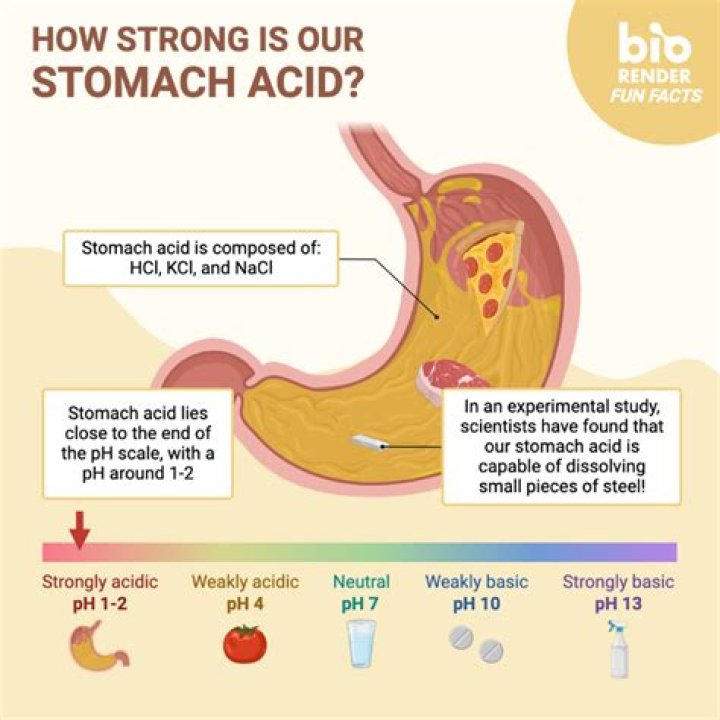
Though still highly corrosive, muriatic acid is milder than hydrochloric acid and is therefore more suitable for home use. At a pH of 1 to 2, muriatic acid can be as acidic as stomach acid (which is also in part comprised of hydrochloric acid) or lemon juice.
What kind of acid can you put in a swimming pool?
Plastic and glass can contain it, however. Another liquid acid used in the pool industry is Sulfuric Acid (or Sulphuric Acid). Its formula is H 2 SO 4, which contains 2 Hydrogen, 1 Sulfur and 4 Oxygen. This is less common than muriatic, but is still readily available.
How much muriatic acid should I add to my Pool?
In most cases, you will have to add a quart of muriatic acid for an average size ground pool holding about 15000 gallons and has a pH level higher than 7.8. It is recommended that you get to check the pH level after allowing the pool water to circulate and settle for an hour.
What kind of chemicals are used in pool balancers?
Water Balancers. -Sodium Bisulfate is commonly known as pH Decreaser, but when used in larger quantities, it makes an effective chemical in controlling Total Alkalinity as well. -Muriatic acid is a popular chemical used to lower Total Alkalinity. It is a dangerous chemical if mishandled, and should be used with caution.
Can you add cyanuric acid to a pool?
Cyanuric acid barely affects the pH levels of your pool. Also, if you add this to your pool, it has little effect on both alkalinity and hardness of water. I’d suggest that it can be used as a chlorine additive not as standalone product to protect your pool.
What kind of acid is in a swimming pool?
What is Dry Acid for swimming pools? Dry acid is also known by its chemical name as sodium bisulfate. It is produced as a white, dry granular form by mixing sulfuric acid and sodium hydroxide together. The result is the acid salt sodium bisulfate, and water.
Water Balancers. -Sodium Bisulfate is commonly known as pH Decreaser, but when used in larger quantities, it makes an effective chemical in controlling Total Alkalinity as well. -Muriatic acid is a popular chemical used to lower Total Alkalinity. It is a dangerous chemical if mishandled, and should be used with caution.
When to add dry acid to a pool?
Testing swimming pool pH and also testing total alkalinity should be done immediately prior to adding dry acid and ideally again after about six hours later, making sure to test within 24 hours. Clear and Balanced Pool Water All Summer With No Headaches!
Is it safe to use hydrochloric acid in swimming pool?
Chlorine levels in pool water is dependent on the pH of the water, which can be optimized with chemicals such as hydrochloric acid. More information about maintenance for a healthy and safe swimming pool experience can be found on the CDC’s website. Is prolonged exposure to hydrochloric acid dangerous?
